A VINEYARD IN LONDON
How an unusual community project in north London is combining organic wine production, social inclusion and a greener future. Imagine walking through a vineyard, surrounded by rows of grapevines, listening to birds singing and enjoying the peaceful countryside. Now imagine discovering that you are still in London, one of the busiest and most densely populated cities in Europe. Welcome to Forty Hall Vineyard, a remarkable community project in Enfield, north London, which has been putting an unexpected idea into practice: growing wine grapes in the heart of the capital while helping people improve their mental health and reconnect with their community.
From an ambitious idea to a flourishing vineyard
The project was launched in 2009 by Sarah Vaughan-Roberts, who wanted to establish a community food-growing initiative. Having completed a wine-production course and secured lottery funding, she faced one major obstacle: finding enough land. After contacting several organisations, she eventually received an offer from Capel Manor College, which allowed the project to use two south-facing fields at Forty Hall Farm. The location was ideal for growing grapes, with its gentle slopes, favourable exposure to sunlight and distinctive gravelly soil. The first vines were planted in 2009, and the vineyard gradually expanded to cover approximately 4.5 hectares. Today, it grows several grape varieties, including Bacchus, Ortega, Chardonnay, Pinot Noir and Pinot Meunier. What makes the project particularly unusual is that it is not simply a commercial wine producer. Forty Hall is a not-for-profit social enterprise, with income from wine sales and other activities being reinvested in the vineyard and its community programmes.
More than just a vineyard: growing people’s wellbeing
From the beginning, the project attracted people who were looking for more than an opportunity to learn about wine production. Volunteers began reporting that spending time outdoors, working with their hands and meeting other people had made a noticeable difference to their wellbeing. For Sarah Vaughan-Roberts, this was hardly surprising. Earlier in her career, she had worked with people living with HIV and AIDS during a particularly difficult period, when illness, death and bereavement were widespread. The emotional demands of this work eventually led to burnout. She subsequently discovered the restorative power of gardening. Spending several months transforming an overgrown garden helped her regain a sense of balance and wellbeing. This personal experience influenced her belief that working outdoors could have a positive effect on people’s mental health. The vineyard therefore developed an approach known as ecotherapy: using contact with nature and meaningful outdoor activities to support psychological wellbeing. Unlike conventional therapy, participants are not necessarily expected to discuss their problems or attend formal counselling sessions. Instead, the emphasis is on working together towards a common goal. People can talk if they wish, but they are equally welcome simply to concentrate on the task in hand. For those who have experienced loneliness, anxiety or social isolation, this can be particularly valuable. Working alongside others creates opportunities to develop friendships, regain confidence and acquire practical skills. Even something as ordinary as sharing a cup of tea during the morning break can become an important part of the experience.
A community that refuses to give up
The vineyard’s success has not come without setbacks. Growing grapes in Britain is notoriously unpredictable, and Forty Hall has experienced its fair share of difficulties. In the early 2020s, several consecutive poor harvests, severe fungal disease and inadequate equipment put the project’s future at risk. In 2022, the harvest amounted to just two tonnes, an exceptionally disappointing result. The following year became a turning point. The vineyard launched a crowdfunding campaign called Save London’s Vineyard, appealing to supporters to help finance essential machinery, including a tractor and a modern spraying system. The response was encouraging. With better equipment, improved vineyard management and an extraordinary effort from volunteers, the 2023 harvest exceeded all expectations. More than 200 additional volunteers joined the regular team during the picking season, and over ten harvesting days they collected just over 32 tonnes of grapes – a record for the vineyard. This remarkable recovery demonstrated the importance of community involvement. It also showed that a project built around social values can develop considerable resilience when faced with financial and environmental challenges.
Can London really produce good wine?
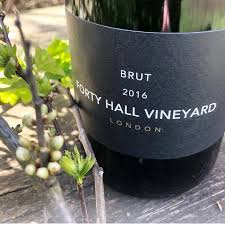
Although wine production may not be the first thing that comes to mind when thinking about London, the city has a long history of winemaking. The Romans introduced vines to Britain, and religious communities once cultivated grapes in monastery vineyards. Forty Hall has helped revive this tradition, proving that wine production is possible even in an urban environment. The vineyard follows organic farming principles and is committed to reducing its environmental impact. Volunteers help with pruning, weeding, leaf removal and harvesting, while careful management of the soil and surrounding vegetation encourages biodiversity. Its wines are produced in partnership with an experienced winemaker, and the vineyard has received recognition for their quality. Its London Brut, for example, has won awards in the English wine industry. The social enterprise model also means that the money generated by wine sales contributes directly to maintaining the vineyard and supporting its activities.
A changing climate: opportunity or threat?
Forty Hall is part of a much wider transformation taking place in the British wine industry. For decades, Britain’s cool and unpredictable climate made commercial wine production difficult. However, rising temperatures have gradually created more favourable conditions for growing grapes, particularly in southern England. The figures are striking. By 2025, the UK had approximately 1,158 vineyards and 280 wineries, with almost 4,841 hectares of land under vines. The area devoted to grape-growing has increased substantially over the past few years. English sparkling wines, in particular, have gained international recognition, while producers are increasingly experimenting with still white and red wines. However, climate change is a double-edged sword. Warmer temperatures may help grapes ripen, but they also bring new risks. Unseasonal spring frosts can destroy young shoots, while prolonged rainfall encourages fungal diseases. Conversely, hot, dry summers can lead to water shortages, heat stress and grapes ripening too quickly. The 2026 growing season has provided a particularly good illustration of these challenges. Following severe frost events in spring, much of the UK experienced a warm and dry summer. Grapes ripened unusually quickly, forcing some vineyards to bring forward their harvest by several weeks. For growers, adapting to these increasingly unpredictable conditions is becoming essential. Better water management, healthier soils, more resilient grape varieties and improved farming techniques are all likely to play an important role in the future of British viticulture.
Looking ahead: a different kind of success
Today, Forty Hall Vineyard is still driven by its community. Under the leadership of Emma Lundie, who took over from the founder in 2019, more than 100 volunteers contribute to the project, helping to maintain the vines and preserve its original social mission. The vineyard demonstrates that a successful business does not necessarily have to measure its achievements exclusively in terms of profit, productivity or market share. Of course, producing good wine remains important. But the project’s real value lies in the opportunities it creates: bringing people together, helping individuals overcome isolation, developing new skills and reconnecting city dwellers with nature. At a time when urban populations are growing and mental health concerns are receiving increasing attention; Forty Hall offers an interesting alternative to more traditional community initiatives. Perhaps its greatest achievement is not the wine in the bottle, but the sense of belonging that h grown alongside the vines.